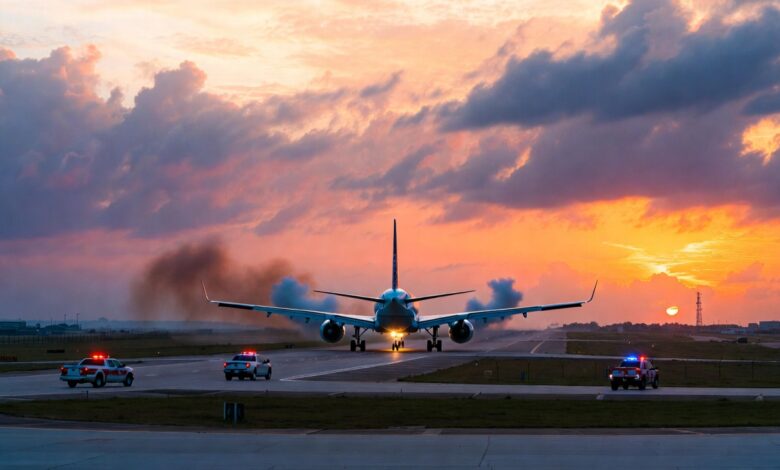
Commercial aviation operates under some of the most rigorous safety systems ever created. Every day, thousands of flights cross continents with remarkable reliability. However, even in this highly regulated environment, rare operational disruptions occasionally occur. One such event that attracted public attention was the united airlines flight ua770 emergency diversion.
The united airlines flight ua770 emergency diversion became a widely discussed aviation event because it highlighted the professionalism of flight crews, the reliability of aircraft safety procedures, and the efficiency of international aviation response systems. While emergency diversions may appear alarming to passengers or observers, they often represent proactive safety measures rather than catastrophic incidents.
This article provides a detailed examination of the united airlines flight ua770 emergency diversion, exploring the circumstances behind the incident, the operational procedures followed by the crew, aviation safety protocols, and the broader implications for airline operations.
Aviation Incident Overview: united airlines flight ua770 emergency diversion
Understanding the context of the united airlines flight ua770 emergency diversion requires examining how airlines classify in-flight emergencies.
An emergency diversion occurs when an aircraft changes its planned destination and lands at a different airport due to safety concerns. These concerns may include technical anomalies, passenger medical emergencies, cabin pressure irregularities, weather conditions, or precautionary checks.
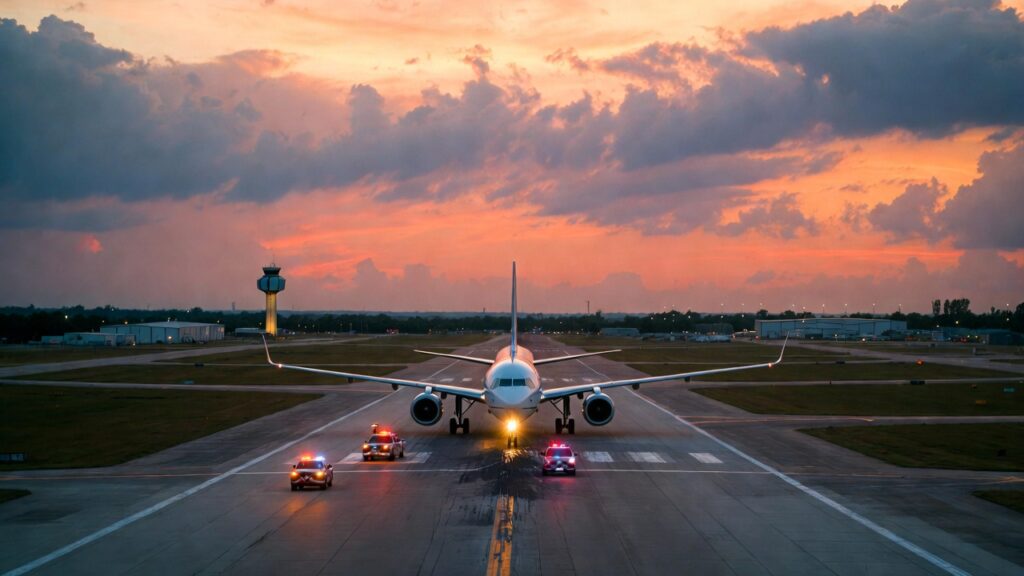
In the case of the united airlines flight ua770 emergency diversion, the aircraft altered its route mid-flight and landed safely at an alternate airport. Aviation authorities later confirmed that the diversion was handled according to established international safety procedures.
Such events demonstrate the effectiveness of layered safety systems designed to protect passengers and crew.
Quick Reference Biography Table: Key Details of the united airlines flight ua770 emergency diversion
| Category | Information |
|---|---|
| Event Name | united airlines flight ua770 emergency diversion |
| Airline | United Airlines |
| Flight Number | UA770 |
| Aircraft Type | Commercial passenger jet |
| Flight Nature | Scheduled commercial flight |
| Event Type | Emergency diversion |
| Aviation Category | In-flight operational incident |
| Outcome | Safe landing at alternate airport |
| Passenger Safety | No confirmed major injuries |
| Investigation | Conducted under aviation safety protocols |
| Operational Impact | Temporary disruption to schedule |
This structured overview helps readers quickly understand the essential facts surrounding the united airlines flight ua770 emergency diversion.
Timeline of the united airlines flight ua770 emergency diversion
Aviation incidents often unfold through a sequence of decisions made in real time. The timeline below illustrates how the united airlines flight ua770 emergency diversion developed.
1. Scheduled Departure
The aircraft began its journey as a routine commercial flight. Weather conditions and flight preparation followed standard procedures.
2. In-Flight Irregularity
During the flight, the crew detected an issue that required closer monitoring. Modern aircraft systems provide constant feedback to pilots, allowing them to identify anomalies quickly.
3. Crew Assessment
Pilots evaluated the situation while consulting operational checklists and communicating with air traffic control. Safety protocols require pilots to analyze the potential risk before deciding on further action.
4. Decision to Divert
The crew ultimately declared the need for an alternate landing, initiating the united airlines flight ua770 emergency diversion.
5. Communication With Authorities
Air traffic controllers coordinated the diversion path, cleared surrounding airspace, and prepared the destination airport for arrival.
6. Safe Landing
The aircraft landed safely at the designated airport, completing the united airlines flight ua770 emergency diversion without significant incident.
Possible Causes Behind the united airlines flight ua770 emergency diversion
While official investigations often require time, aviation experts usually examine several potential factors when evaluating a diversion event.
Technical System Alerts
Aircraft computers continuously monitor engines, hydraulics, electrical systems, and cabin conditions. A warning message may prompt precautionary actions even when the aircraft remains fully controllable.
Cabin Pressure Irregularities
Cabin pressurization systems maintain a comfortable atmosphere at cruising altitude. Any fluctuation may lead pilots to descend and land early.
Passenger Medical Situations
Medical emergencies represent one of the most common causes of flight diversions worldwide.
Weather Complications
Sudden weather changes can force aircraft to reroute or land at alternative airports.
Precautionary Safety Measures
In many cases, diversions occur simply because pilots choose the safest option available.
Regardless of the precise trigger, the united airlines flight ua770 emergency diversion demonstrates how aviation professionals prioritize safety over schedule.
How Pilots Manage Emergency Diversions
Pilots undergo extensive training to handle complex in-flight situations. The response during the united airlines flight ua770 emergency diversion followed internationally recognized aviation procedures.
Standardized Checklists
Every aircraft includes detailed emergency checklists. These step-by-step procedures guide pilots through troubleshooting.
Crew Resource Management
Modern aviation emphasizes teamwork between pilots, cabin crew, and ground controllers.
Real-Time Communication
Pilots maintain continuous communication with air traffic control during diversions.
Risk Evaluation
The captain ultimately decides whether diversion is necessary based on safety considerations.
The success of the united airlines flight ua770 emergency diversion reflects the effectiveness of this structured approach.

Role of Air Traffic Control During the united airlines flight ua770 emergency diversion
Air traffic control plays a vital role in any emergency event.
Controllers provide pilots with:
- Immediate airspace clearance
- Navigation guidance
- Weather updates
- Coordination with emergency services
When the united airlines flight ua770 emergency diversion occurred, controllers ensured that the aircraft received priority landing access.
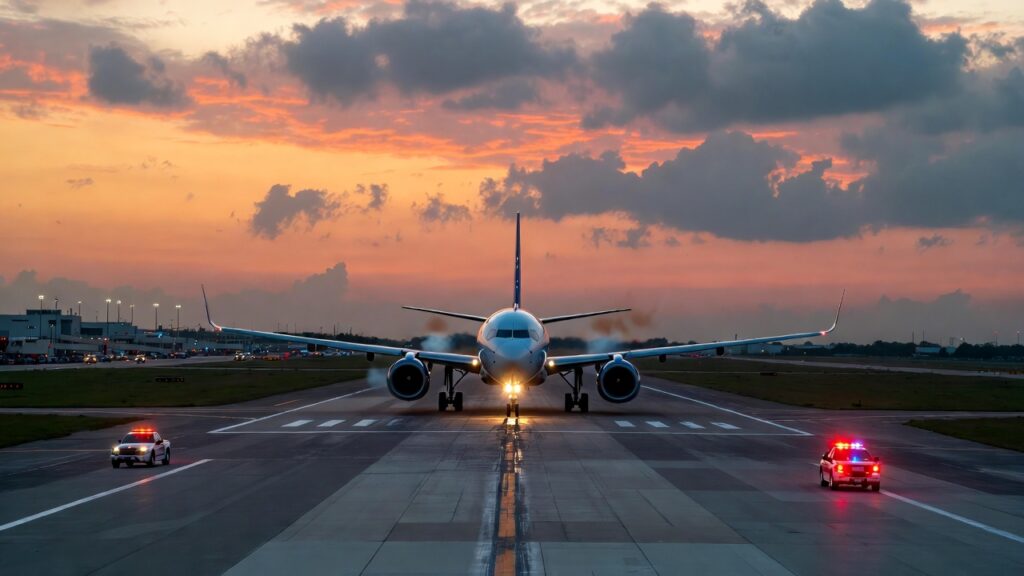
Airports also activate emergency response teams as a precaution whenever an aircraft declares an emergency.
Passenger Experience During the united airlines flight ua770 emergency diversion
For passengers onboard, diversions can create anxiety or confusion. However, cabin crews receive specialized training to maintain calm and safety.
Typical passenger experiences during events like the united airlines flight ua770 emergency diversion include:
- Clear safety announcements
- Reassurance from cabin crew
- Temporary schedule disruptions
- Post-landing assistance
Most passengers often report that the professionalism of flight crews helps reduce stress during such situations.
Aircraft Safety Systems That Prevent Disasters
Modern passenger aircraft incorporate multiple redundant systems designed to prevent accidents.
Important safety features include:
Redundant Mechanical Systems
Critical components often have backups that allow aircraft to continue flying safely.
Advanced Monitoring Technology
Sensors monitor thousands of parameters throughout the aircraft.
Automatic Warning Systems
Pilots receive alerts long before a problem becomes severe.
These technologies play a key role in events like the united airlines flight ua770 emergency diversion, allowing crews to respond early and safely.
Airline Response and Operational Recovery
After an incident like the united airlines flight ua770 emergency diversion, airlines implement operational recovery procedures.
These may include:
- Aircraft inspection and maintenance
- Passenger rebooking or accommodation
- Operational reporting to aviation authorities
- Internal safety reviews
Such measures ensure that flights resume normal operations as quickly as possible while maintaining strict safety standards.
How Common Are Emergency Diversions in Aviation?
Although headlines can make diversions seem dramatic, they remain relatively rare.
Global aviation statistics show that:
- Thousands of flights operate daily without incident
- Diversions represent a small fraction of total flights
- Most diversions occur as precautionary measures
The united airlines flight ua770 emergency diversion therefore fits within a broader framework of responsible aviation risk management.
Lessons Learned From the united airlines flight ua770 emergency diversion
Every aviation event contributes valuable lessons for the industry.
Key insights include:
Preparedness Matters
Pilot training and procedural discipline remain the cornerstone of aviation safety.
Technology Enhances Safety
Advanced aircraft monitoring systems help detect problems early.
Communication Is Critical
Coordination between pilots and controllers ensures efficient responses.
Passenger Safety Remains the Priority
Airlines prioritize human safety above operational convenience.
These lessons reinforce the importance of structured emergency response systems.
Public and Media Reaction
Events such as the united airlines flight ua770 emergency diversion often attract significant media attention.
However, aviation experts emphasize that diversions frequently represent successful safety decisions rather than dangerous failures.
Media coverage can sometimes amplify concern, but aviation professionals typically view such events as examples of safety protocols functioning exactly as intended.
The Broader Importance of Aviation Safety Culture
The aviation industry operates under a strong culture of safety accountability.
Organizations continuously improve procedures through:
- Incident reporting systems
- Safety investigations
- Pilot training programs
- Aircraft engineering improvements
The united airlines flight ua770 emergency diversion highlights how these systems work together to protect passengers.
Deduction
The united airlines flight ua770 emergency diversion serves as a powerful example of modern aviation safety in action. Although unexpected diversions can disrupt travel plans, they demonstrate the effectiveness of rigorous procedures designed to safeguard passengers.
Through disciplined pilot training, advanced aircraft technology, and coordinated air traffic control support, aviation professionals successfully managed the situation and ensured a safe outcome.
Events like the united airlines flight ua770 emergency diversion reinforce a central truth about commercial aviation: safety always takes precedence over convenience. Every precaution, every checklist, and every operational decision ultimately exists to protect human lives.
As the aviation industry continues to evolve with improved technologies and stronger safety frameworks, the lessons learned from incidents such as the united airlines flight ua770 emergency diversion will continue to strengthen global flight operations.