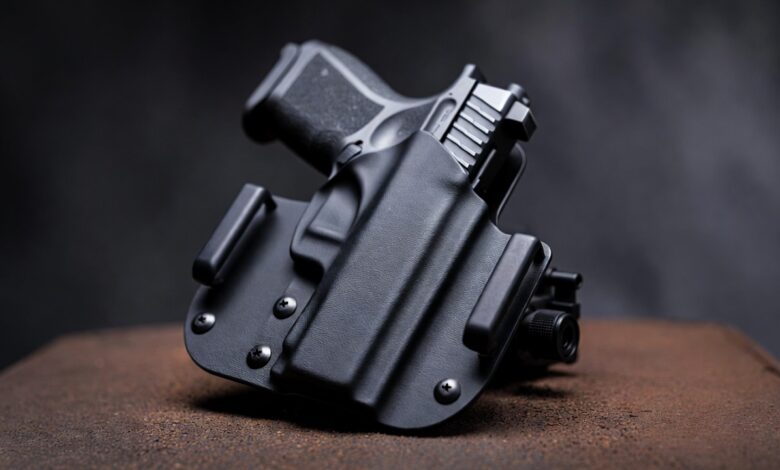
Modern concealed carry demands thoughtful equipment choices. A compact defensive pistol becomes truly practical only when paired with a dependable holster. The smith and wesson bodyguard 2.0 holster stands at the center of this conversation, because it determines how securely, comfortably, and discreetly the firearm integrates into everyday life.
A well-engineered holster does far more than hold a handgun. It protects the trigger, stabilizes the weapon during movement, ensures fast access in critical moments, and maintains comfort throughout long periods of wear. For owners of the Bodyguard 2.0 platform, selecting the right holster design represents a critical step toward safe and effective carry.
This in-depth guide explores the purpose, design considerations, materials, carry styles, and performance expectations associated with a smith and wesson bodyguard 2.0 holster. The goal is to provide readers with a comprehensive understanding of how holster design influences safety, concealment, and daily usability.
Understanding the Purpose of a smith and wesson bodyguard 2.0 holster
A holster serves as the interface between the firearm and the user. Without it, carrying a compact defensive pistol safely becomes difficult and potentially hazardous.
The smith and wesson bodyguard 2.0 holster performs several essential functions:
- Trigger protection – It shields the trigger guard from accidental contact.
- Retention – It keeps the firearm firmly secured during movement.
- Accessibility – It allows a controlled and consistent draw.
- Concealment – It reduces printing beneath clothing.
- Comfort – It distributes weight across the body.
A well-designed holster balances these priorities. Poorly designed models compromise safety or comfort, while a thoughtfully engineered smith and wesson bodyguard 2.0 holster enhances everyday usability.
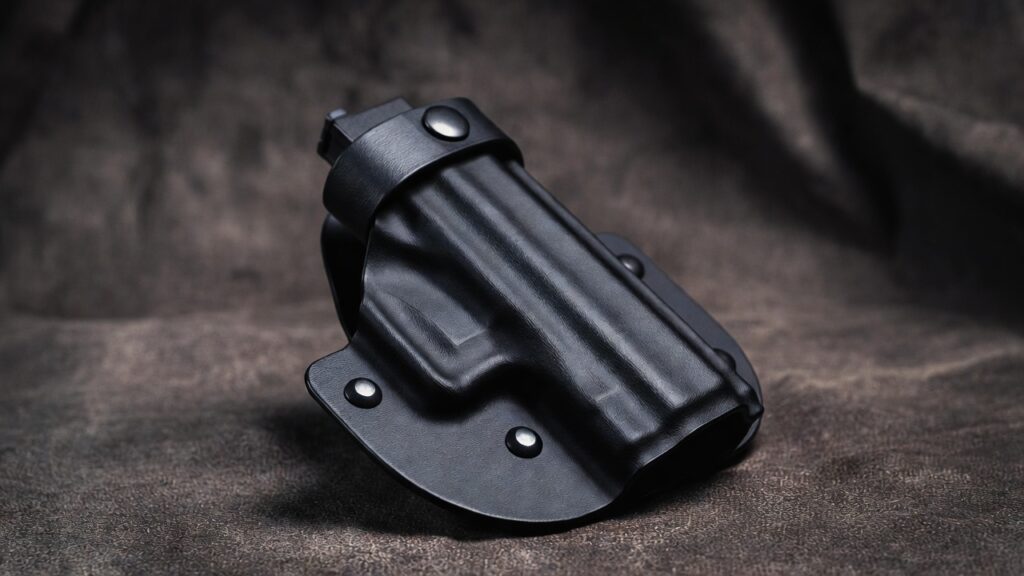
Biography Table: Overview of the smith and wesson bodyguard 2.0 holster
| Attribute | Details |
|---|---|
| Product Type | Concealed carry holster |
| Compatible Firearm | Smith & Wesson Bodyguard 2.0 pistol |
| Primary Function | Safe firearm retention and concealed carry |
| Common Materials | Kydex, leather, polymer, hybrid composites |
| Carry Styles | Inside waistband, outside waistband, pocket carry, appendix carry |
| Retention System | Passive retention or adjustable tension |
| Typical User | Concealed carry permit holders and security professionals |
| Core Advantages | Comfort, concealment, fast draw capability |
| Safety Feature | Full trigger guard coverage |
| Customization Options | Cant angle, belt clips, retention adjustment |
This table highlights the functional identity of the smith and wesson bodyguard 2.0 holster and explains how it fits within the broader concealed carry ecosystem.
Key Design Principles Behind a Reliable smith and wesson bodyguard 2.0 holster
Holster engineering follows a set of design principles aimed at maximizing safety and usability.
1. Precise Firearm Fit
The smith and wesson bodyguard 2.0 holster must match the exact dimensions of the firearm. Precision molding ensures the pistol locks into place while still allowing a smooth draw.
A poorly fitted holster leads to loose retention or unnecessary friction. Proper fit prevents the firearm from shifting or falling during daily activities.
2. Trigger Guard Coverage
Trigger protection represents the most critical safety requirement. A quality smith and wesson bodyguard 2.0 holster fully encloses the trigger guard, eliminating the possibility of accidental trigger contact.
3. Controlled Retention
Retention refers to the holster’s ability to hold the firearm securely. Most modern designs rely on passive retention, which uses friction and molded contours to grip the weapon.
Advanced versions of the smith and wesson bodyguard 2.0 holster may include adjustable screws that allow the user to customize retention strength.
4. Consistent Draw Angle
Holsters maintain a fixed orientation relative to the body. This orientation ensures that every draw follows the same motion, which improves muscle memory and response time.
Materials Used in a Modern smith and wesson bodyguard 2.0 holster
Holster material plays a significant role in durability, comfort, and performance. Several materials dominate the market.
Kydex
Kydex remains one of the most popular materials for the smith and wesson bodyguard 2.0 holster.
Advantages include:
- Rigid structure
- Weather resistance
- Excellent retention
- Minimal maintenance
Kydex holsters maintain their shape even after long periods of use.
Leather
Leather holsters provide a traditional aesthetic and natural comfort.
A leather smith and wesson bodyguard 2.0 holster adapts gradually to the user’s body shape. Many users appreciate the soft texture and timeless appearance.
However, leather requires more maintenance and may soften over time.
Hybrid Designs
Hybrid holsters combine rigid Kydex shells with leather or synthetic backings.
This design allows the smith and wesson bodyguard 2.0 holster to deliver strong retention while maintaining improved comfort against the body.
Polymer and Advanced Composites
Modern polymer materials deliver durability and lightweight construction. These materials resist moisture, heat, and wear.
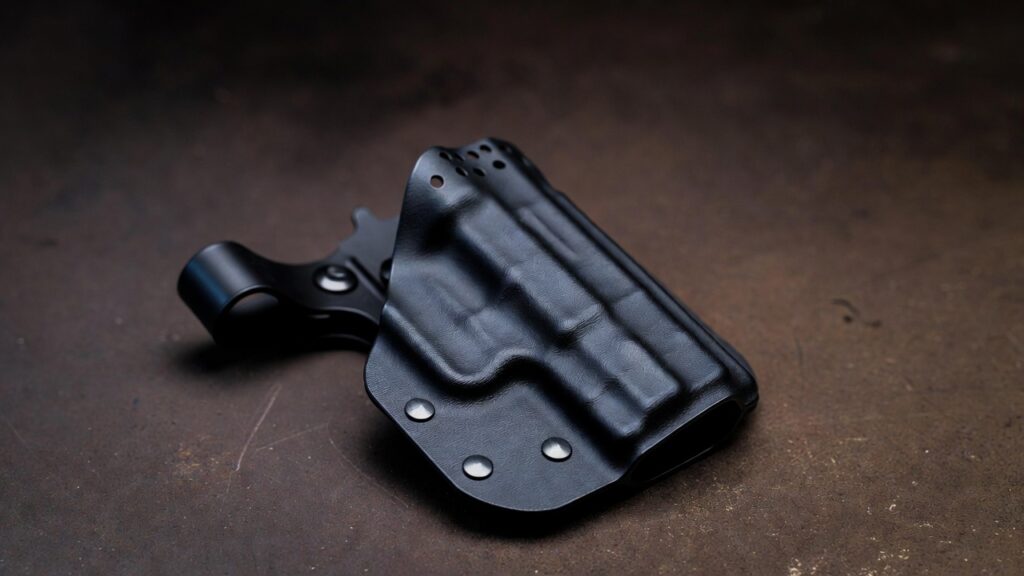
Carry Styles for the smith and wesson bodyguard 2.0 holster
Different carry positions suit different lifestyles and clothing choices. Selecting the right style determines how effectively the holster integrates into everyday routines.
Inside the Waistband (IWB)
The inside-the-waistband configuration positions the smith and wesson bodyguard 2.0 holster between the body and the pants.
Advantages include:
- Superior concealment
- Minimal printing
- Compatibility with casual clothing
IWB holsters remain one of the most popular concealed carry solutions.
Appendix Carry
Appendix carry places the smith and wesson bodyguard 2.0 holster near the front of the waistband.
Benefits include:
- Faster draw speed
- Strong concealment with compact pistols
- Easy access while seated
Because the Bodyguard 2.0 is compact, many carriers prefer appendix carry.
Outside the Waistband (OWB)
OWB holsters sit outside the belt line.
An OWB smith and wesson bodyguard 2.0 holster offers excellent comfort and a natural draw angle, although concealment may require outer garments.
Pocket Carry
Pocket holsters are designed specifically for ultra-compact pistols.
A pocket-style smith and wesson bodyguard 2.0 holster prevents the firearm from shifting inside a pocket while covering the trigger guard.
Comfort and Ergonomics of the smith and wesson bodyguard 2.0 holster
Comfort determines whether users actually carry their firearm consistently.
Holster designers consider several ergonomic factors:
- Weight distribution
- Body contour shaping
- Breathable backing materials
- Rounded edges to prevent pressure points
A properly designed smith and wesson bodyguard 2.0 holster allows extended wear without discomfort, making daily carry more practical.
Safety Considerations When Using a smith and wesson bodyguard 2.0 holster
Responsible firearm carry requires strict safety discipline.
A safe smith and wesson bodyguard 2.0 holster supports this discipline through structural design.
Key safety features include:
- Rigid trigger guard coverage
- Stable belt attachment
- Consistent retention pressure
- Minimal obstruction during the draw
Users should also practice careful holstering techniques and maintain awareness of clothing or foreign objects that could enter the trigger guard.
Maintenance and Care for the smith and wesson bodyguard 2.0 holster
Holsters require routine maintenance to preserve performance.
Basic care practices include:
Regular cleaning
Dust, lint, and debris may accumulate inside the holster. Periodic cleaning prevents friction and ensures smooth firearm insertion.
Inspection for wear
Clips, screws, and retention components should remain secure.
Material-specific care
Leather holsters benefit from occasional conditioning, while Kydex models require simple cleaning with mild soap and water.
Proper care extends the lifespan of the smith and wesson bodyguard 2.0 holster and preserves its retention characteristics.
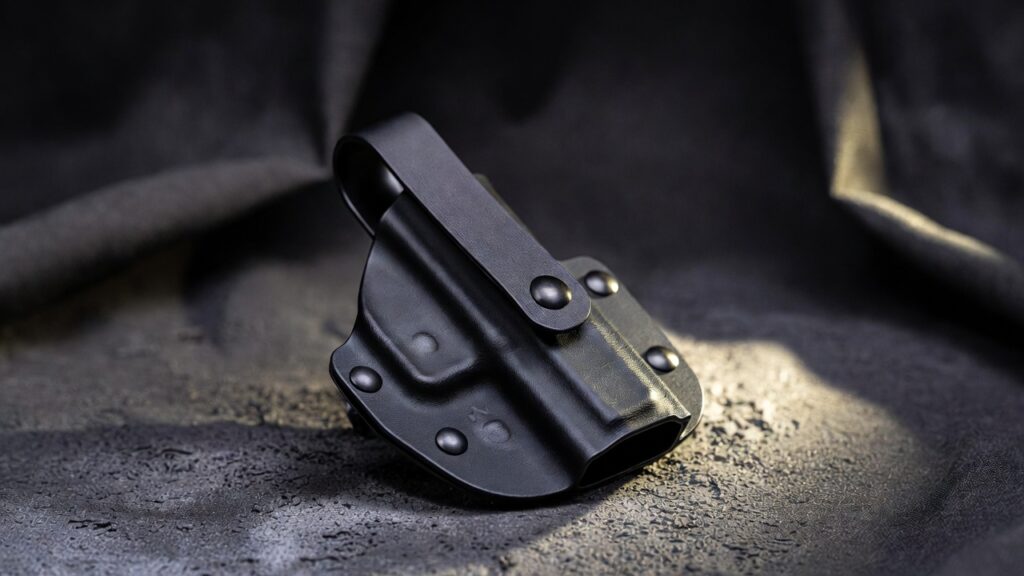
Customization Options for the smith and wesson bodyguard 2.0 holster
Modern holster designs often include adjustable components that allow users to tailor performance.
Common customization features include:
- Adjustable cant angle
- Retention screws
- Interchangeable belt clips
- Ride height adjustment
These features enable the smith and wesson bodyguard 2.0 holster to adapt to individual body types and preferred draw styles.
Why the smith and wesson bodyguard 2.0 holster Matters for Concealed Carry
The effectiveness of a concealed carry system depends on consistency. A firearm that remains secure, accessible, and comfortable becomes far more useful in real-world defensive situations.
The smith and wesson bodyguard 2.0 holster transforms a compact pistol into a reliable everyday carry tool. It supports safe handling practices while maintaining discreet concealment.
Professionals and responsible civilians alike recognize that holster quality influences response time, safety, and long-term carry habits.
Conclusion: Choosing the Right smith and wesson bodyguard 2.0 holster
Selecting a holster requires thoughtful evaluation of materials, carry style, retention mechanisms, and comfort features.
The smith and wesson bodyguard 2.0 holster represents more than a simple accessory. It serves as the foundation of responsible concealed carry by protecting the firearm, stabilizing it during movement, and enabling a consistent draw.
When carefully chosen and properly maintained, a high-quality smith and wesson bodyguard 2.0 holster delivers reliability, comfort, and safety for years of everyday use. A dependable holster ultimately ensures that the firearm remains secure, accessible, and ready when needed.