Introduction to Fascisterne
The term “fascisterne” is commonly used in Scandinavian languages, particularly Danish and Norwegian, to refer to fascists—individuals or groups who support or promote fascism. Fascism is a political ideology that emerged in the early 20th century and is characterized by strong authoritarian leadership, extreme nationalism, and strict control over society. Understanding fascisterne requires examining not only the political ideology itself but also the historical circumstances that allowed it to rise.
Fascism developed during a period of intense political instability, economic crises, and social unrest, particularly in Europe after World War I. Many people were frustrated with democratic governments, which they believed were weak and ineffective in dealing with economic hardship and national humiliation. In this environment, fascist movements promised strength, unity, and national revival.
The influence of fascisterne extended beyond politics into culture, society, and global relations. Their ideas shaped some of the most significant and tragic events of the 20th century. To fully understand the concept of fascisterne, it is important to explore their origins, core beliefs, political methods, and the long-term consequences of their ideology.
The Historical Origins of Fascisterne
The origins of fascisterne can be traced back to the aftermath of World War I. Europe was dealing with economic collapse, political revolutions, and widespread dissatisfaction with traditional political systems. Many countries experienced high unemployment, inflation, and social unrest, which created fertile ground for radical political movements.
In this unstable environment, fascist leaders emerged promising national strength and stability. They argued that democracy was inefficient and weak, claiming that only a strong central authority could restore national pride and order. Their message resonated with people who were frustrated by economic hardship and political chaos.
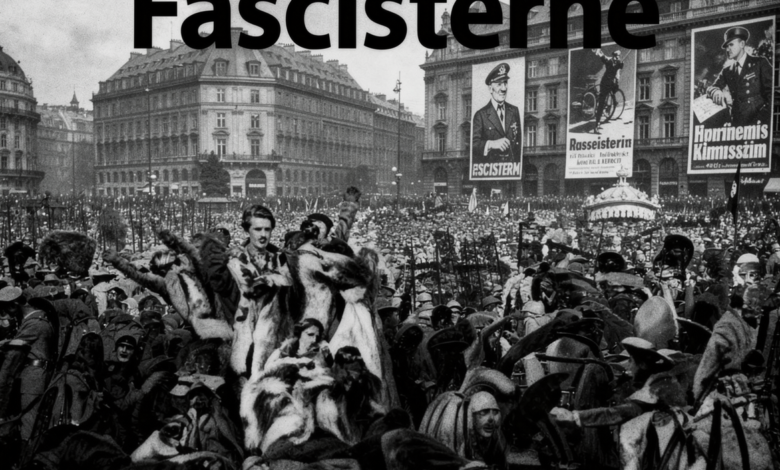
Fascist movements quickly gained popularity in several countries. These movements emphasized discipline, national unity, and loyalty to a powerful leader. Through propaganda, political rallies, and organized movements, fascisterne were able to mobilize large numbers of supporters and eventually gain political power in some regions.
Core Ideology of Fascism
The ideology associated with fascisterne is built on several key principles. One of the most important is authoritarian leadership. Fascists believe that a nation should be governed by a strong leader who has absolute authority and can make decisions without the limitations of democratic institutions.
Another central idea is extreme nationalism. Fascisterne often promote the belief that their nation is superior and must be protected from external influences. This nationalism can lead to aggressive policies, expansionism, and hostility toward other countries or groups.
Fascism also emphasizes collective identity over individual freedom. In fascist ideology, the interests of the nation or state are considered more important than personal rights. Citizens are expected to show loyalty, obedience, and dedication to the goals of the state.
Political Strategies Used by Fascisterne
Fascist movements have historically used a variety of strategies to gain and maintain power. One common method is the use of propaganda. Fascist leaders often control media and communication channels to spread their ideology and shape public opinion.
Another strategy is the creation of mass political movements. Fascisterne often organize rallies, marches, and youth organizations to build a sense of unity and loyalty among supporters. These events are designed to create emotional connections with the ideology and strengthen the movement.
Fascist regimes have also relied heavily on suppression of opposition. Political opponents, journalists, and activists are often silenced through censorship, intimidation, or imprisonment. By eliminating dissent, fascisterne aim to maintain total control over political life.
Social and Cultural Impact
The influence of fascisterne has extended far beyond politics. In many fascist regimes, governments attempted to control cultural expression, education, and public life. Art, literature, and media were often required to support the state’s ideology and promote nationalist values.
Education systems were frequently redesigned to encourage loyalty to the state and admiration for the ruling leadership. Young people were taught to prioritize national identity and collective duty above personal ambitions or individual freedoms.
This cultural control had long-term consequences for societies under fascist rule. Intellectual freedom was limited, critical thinking was discouraged, and many creative voices were silenced. As a result, societies often experienced significant cultural and intellectual stagnation.
The Decline of Fascist Movements
Despite their early success, fascist regimes eventually faced significant challenges and opposition. Internal resistance, international conflicts, and economic pressures weakened their hold on power. Many fascist governments collapsed following major global conflicts and political shifts.
The fall of fascist regimes led to widespread reflection on the dangers of authoritarian ideologies. Countries began rebuilding democratic institutions and implementing safeguards designed to prevent similar movements from gaining power again.
Although fascism as a dominant political system declined, discussions about fascisterne remain relevant today. Historians, political scientists, and educators continue to study these movements to understand how such ideologies can emerge and how societies can protect democratic values.
Lessons from the History of Fascisterne
The history of fascisterne provides important lessons about the fragility of democratic institutions and the risks of political extremism. When economic hardship and political dissatisfaction combine, societies may become vulnerable to movements that promise simple solutions and strong leadership.
One key lesson is the importance of protecting democratic processes. Free elections, independent courts, and a free press play crucial roles in preventing authoritarian systems from taking hold. When these institutions are weakened, the door may open for extremist ideologies.
Another lesson is the value of education and historical awareness. By understanding the history of fascisterne and the consequences of fascist rule, societies can become more resilient against similar ideologies in the future.
Conclusion
The concept of fascisterne represents more than just a historical political movement—it reflects a powerful ideology that once reshaped nations and influenced global history. Emerging during a time of economic and political instability, fascism attracted supporters by promising national revival, strong leadership, and unity.
However, the policies and practices of fascisterne often resulted in repression, loss of freedoms, and devastating conflicts. Their legacy serves as a reminder of the dangers of authoritarian politics and extreme nationalism.
Today, studying fascisterne remains essential for understanding modern political systems and protecting democratic values. By examining their history, ideology, and impact, societies can learn valuable lessons about the importance of freedom, accountability, and responsible governance.
Read Me Also