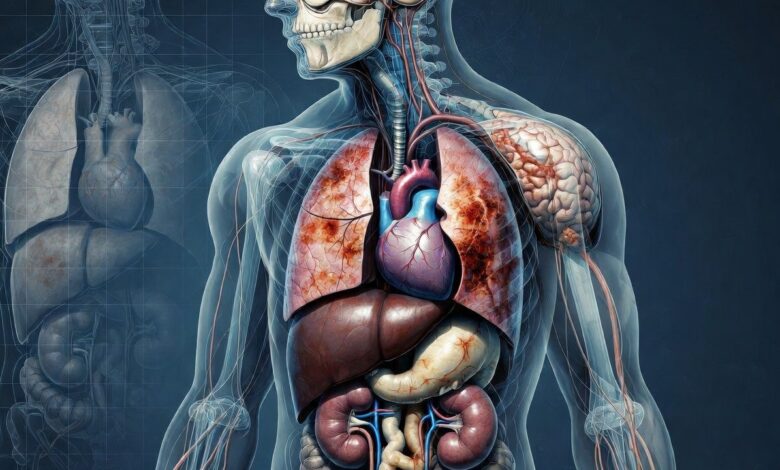
Understanding rare and poorly documented medical conditions often requires examining biological mechanisms, systemic responses, and long-term physiological damage. One question that repeatedly appears in medical discussions about this condition is why does ozdikenosis kill you. The answer involves several overlapping processes that gradually weaken essential organs and disrupt the body’s ability to maintain balance.
Although ozdikenosis remains a subject of ongoing investigation, medical researchers generally agree that the fatal consequences arise from progressive organ failure, severe immune dysfunction, and widespread metabolic disruption. These combined effects can overwhelm the body’s natural repair systems, eventually leading to irreversible damage.
This article explores why does ozdikenosis kill you, examining its possible origins, progression, physiological effects, and the mechanisms that ultimately make the disease life-threatening.
Understanding Ozdikenosis
Before examining why does ozdikenosis kill you, it is important to understand what the condition represents.
Ozdikenosis is often described as a systemic degenerative disorder that affects multiple biological systems simultaneously. Unlike localized diseases that damage one organ or tissue type, ozdikenosis spreads gradually throughout the body. The disorder disrupts cellular stability and interferes with communication between organs.
Researchers typically classify ozdikenosis as a complex syndrome rather than a single-cause illness. This means it may develop from several underlying factors working together, including:
- Genetic susceptibility
- Environmental triggers
- Chronic immune stress
- Metabolic imbalance
Over time, these influences accumulate and create conditions where the body can no longer maintain normal biological equilibrium. That breakdown is the central reason why does ozdikenosis kill you.
Biography Table of Ozdikenosis (Scientific Overview)
| Category | Information |
|---|---|
| Condition Name | Ozdikenosis |
| Medical Classification | Systemic degenerative syndrome |
| Primary Impact | Cellular instability and organ dysfunction |
| Affected Systems | Nervous, immune, metabolic, and cardiovascular systems |
| Early Symptoms | Chronic fatigue, neurological irregularities, metabolic imbalance |
| Advanced Symptoms | Organ failure, immune collapse, neurological decline |
| Primary Fatal Mechanism | Multi-organ failure and systemic metabolic collapse |
| Research Status | Limited documentation and ongoing study |
This overview helps clarify the structural features of the disease before analyzing why does ozdikenosis kill you at the physiological level.
The Biological Mechanism Behind Ozdikenosis
The most direct explanation of why does ozdikenosis kill you lies in its effect on cellular regulation.
Every cell in the human body relies on precise chemical signals to function correctly. These signals regulate growth, energy production, repair processes, and immune response. Ozdikenosis interferes with these signals, creating widespread instability.
When cellular communication fails, several dangerous consequences occur:
- Cells cannot regulate energy efficiently.
- Damaged cells accumulate instead of being replaced.
- Inflammation spreads throughout multiple tissues.
These disruptions slowly damage organs that require stable metabolic activity, such as the brain, liver, and heart.
Over time, this breakdown leads to systemic collapse, which explains why does ozdikenosis kill you in advanced stages.
Progressive Organ Damage
Another major factor explaining why does ozdikenosis kill you involves progressive organ deterioration.
The disease does not usually cause sudden death. Instead, it develops through a gradual process in which multiple organs lose functionality.
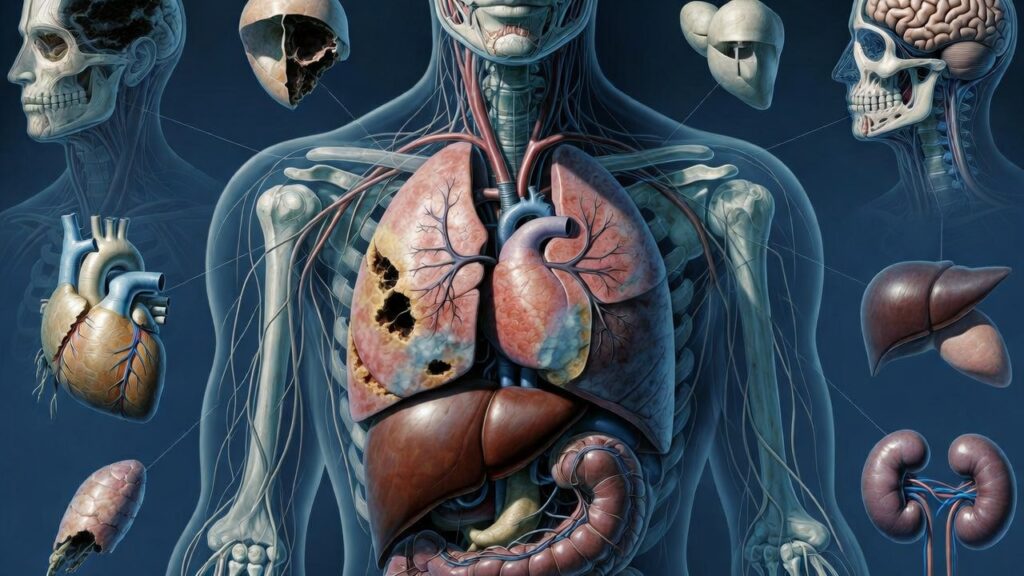
The most vulnerable organs typically include:
Brain
Neurological degeneration can impair memory, coordination, and cognitive function. As damage increases, essential autonomic processes such as breathing regulation may weaken.
Heart
Cardiovascular instability may arise because the heart relies heavily on metabolic balance. Even small disruptions in energy production can weaken cardiac muscle performance.
Liver
The liver performs critical detoxification functions. Ozdikenosis may interfere with these processes, allowing harmful substances to accumulate in the bloodstream.
These overlapping failures collectively explain why does ozdikenosis kill you when the disease reaches an advanced stage.
Immune System Breakdown
The immune system normally protects the body from infection and internal damage. However, in ozdikenosis, immune regulation becomes distorted.
This imbalance contributes significantly to why does ozdikenosis kill you.
Two dangerous immune responses may develop:
Chronic Inflammation
The immune system may remain constantly active even when no external threat exists. Continuous inflammation damages tissues and accelerates organ decline.
Immune Exhaustion
In later stages, the immune system may become too weak to defend the body against infections. Minor illnesses that would normally be harmless can become life-threatening.
This paradoxical combination of overactivity and weakness creates conditions where survival becomes increasingly difficult.
Metabolic Collapse
Metabolism controls how the body converts food into usable energy. Stable metabolic processes are essential for maintaining body temperature, repairing tissues, and powering vital organs.
One crucial explanation for why does ozdikenosis kill you is metabolic collapse.
Ozdikenosis disrupts the biochemical pathways that produce cellular energy. As these pathways deteriorate, cells struggle to perform even basic functions.
Consequences include:
- Severe fatigue
- Tissue degeneration
- Reduced oxygen utilization
- Failure of energy-dependent organs
When metabolism fails across multiple organs simultaneously, survival becomes impossible. This energy deficit directly contributes to why does ozdikenosis kill you in severe cases.
Neurological Degeneration
The nervous system acts as the control network of the body. It coordinates breathing, heart rhythm, movement, and sensory perception.
Neurological deterioration is another major factor explaining why does ozdikenosis kill you.
Damage to neural pathways may result in:
- Loss of motor coordination
- Impaired reflexes
- Cognitive decline
- Disrupted autonomic regulation
The autonomic nervous system controls life-sustaining processes such as breathing and blood pressure. If ozdikenosis damages these neural centers, the body may lose the ability to regulate these essential functions.
This neurological collapse plays a significant role in why does ozdikenosis kill you during the final stages of the disease.
Complications That Increase Fatal Risk
Even before full organ failure occurs, several complications can accelerate mortality. These complications help explain why does ozdikenosis kill you more quickly in some individuals.
Common complications include:
Severe Infections
Immune dysfunction allows infections to spread rapidly through the body.
Cardiovascular Instability
Irregular heart rhythms and weakened cardiac muscle may cause sudden cardiac failure.
Respiratory Failure
Damage to neurological or muscular systems can weaken breathing mechanisms.
Each complication increases the likelihood that ozdikenosis will progress to fatal stages.
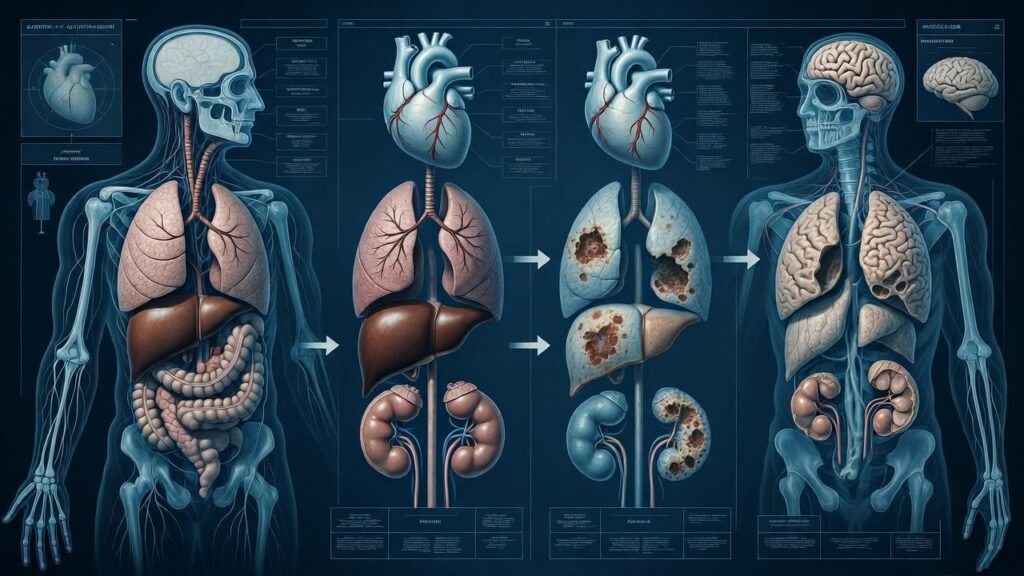
Stages of Disease Progression
Understanding disease progression also helps clarify why does ozdikenosis kill you.
Early Stage
Symptoms may appear mild and include fatigue, minor neurological changes, and metabolic irregularities.
Intermediate Stage
Organ systems begin showing measurable dysfunction. Inflammation increases, and immune irregularities become more noticeable.
Advanced Stage
Multiple organs lose functionality simultaneously. The body struggles to maintain basic physiological stability.
Terminal Stage
Systemic failure occurs when vital organs can no longer support life. This stage ultimately explains why does ozdikenosis kill you.
Why Some Cases Become Fatal Faster
Not every individual experiences the disease at the same pace. Several factors influence why does ozdikenosis kill you more rapidly in certain cases.
Key factors include:
- Genetic vulnerability
- Preexisting medical conditions
- Age and immune strength
- Environmental stressors
Individuals with compromised health may experience faster progression because their bodies cannot compensate for the damage caused by ozdikenosis.
Current Research and Scientific Interest
Although ozdikenosis remains poorly documented in mainstream medical literature, researchers studying systemic degenerative disorders have shown increasing interest in understanding the mechanisms behind why does ozdikenosis kill you.
Modern research techniques may eventually clarify:
- The precise cellular pathways involved
- Genetic markers associated with susceptibility
- Potential treatments that slow progression
Advances in molecular biology and immunology could eventually provide answers that reduce mortality associated with this condition.
Last Review
The question why does ozdikenosis kill you leads to a complex answer involving multiple biological failures rather than a single cause. The disease disrupts cellular communication, weakens organ systems, destabilizes immune responses, and ultimately causes metabolic collapse.
Over time, these overlapping disruptions create a cascade of damage that the body cannot repair. As organs deteriorate and regulatory systems fail, survival becomes increasingly unlikely.
Understanding why does ozdikenosis kill you requires viewing the condition as a systemic breakdown of biological stability. Continued research may one day uncover effective treatments, but for now, the condition remains a powerful reminder of how delicate the balance of human physiology truly is