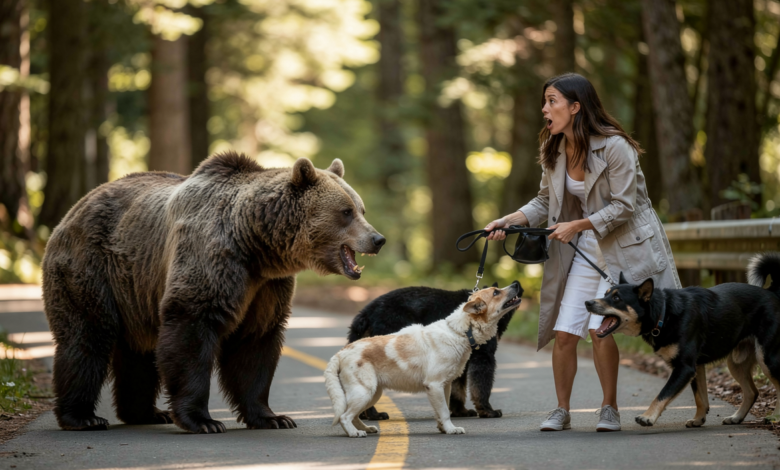
Encountering a wild animal is always thrilling and sometimes terrifying. Among the most intense experiences reported in North America are encounters with Grizzly Bear Dog Walker Encounter, especially for dog walkers. These large predators can be unpredictable, and understanding how to stay safe during a grizzly bear dog walker encounter is crucial. In this article, we’ll explore why such encounters happen, real-life stories, and practical tips to avoid dangerous situations.
Understanding Grizzly Bears
Grizzly bears (Ursus arctos horribilis) are found mainly in Canada, Alaska, and parts of the northwestern United States, including Montana, Wyoming, and Idaho. Adult grizzlies can weigh anywhere from 400 to 800 pounds, with males sometimes exceeding 1,000 pounds. They are omnivorous, eating berries, plants, insects, fish, and small mammals, but they are also highly territorial and can perceive dogs as a threat.
While grizzly bear attacks are rare, they can be deadly. Most grizzly bear encounters happen when a bear feels threatened, is surprised, or is protecting cubs or a food source. Understanding their behavior is key to reducing risks.
Why Dog Walkers Are at Risk
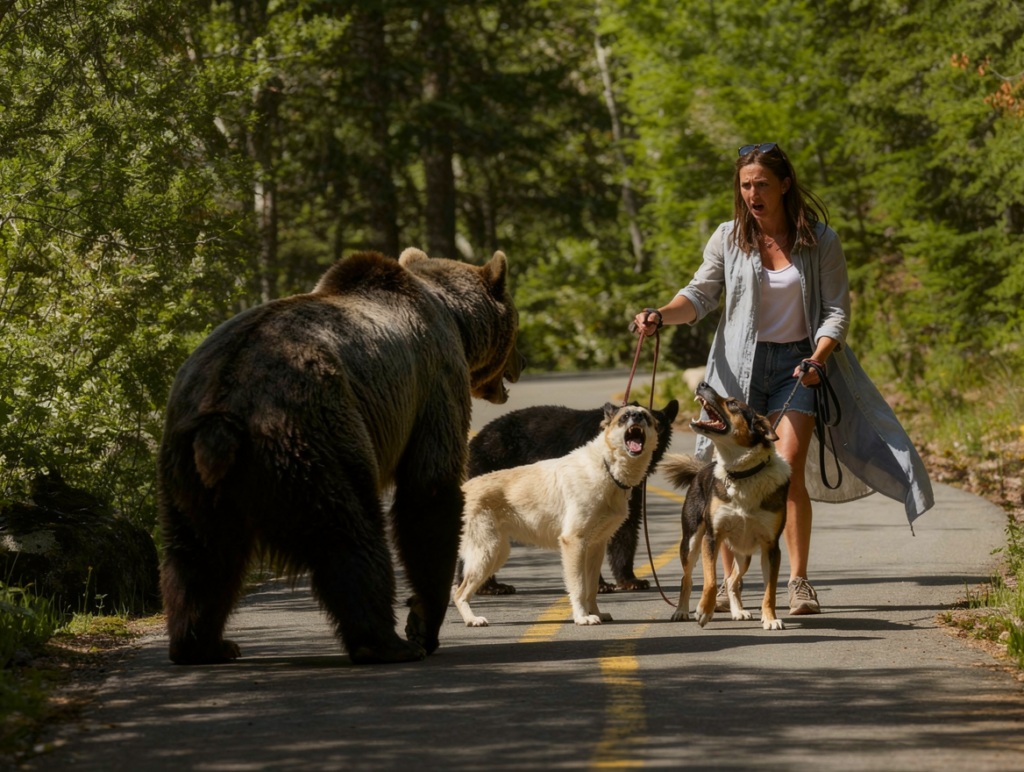
Dogs naturally provoke wildlife. Their barking and scent can alert bears to human presence. For dog walkers, this increases the chance of a grizzly bear dog walker encounter. Some reasons dog walkers face higher risks include:
- Walking off-trail – Bears are often found in forested or remote areas. Walking through these areas increases the risk of surprise encounters.
- Dogs as triggers – A dog might bark, chase, or approach a bear, prompting defensive behavior.
- Early morning or evening walks – Bears are often more active during dawn and dusk, coinciding with popular dog walking times.
Real incidents have shown that even experienced hikers and dog walkers can encounter grizzlies unexpectedly, leading to tense and dangerous situations.
Real-Life Grizzly Bear Dog Walker Encounters
Several dog walkers across the U.S. and Canada have shared stories about encounters with grizzly bears:
- Montana, 2023: A dog walker was strolling with a Labrador retriever in Glacier National Park when a grizzly approached. The dog barked at the bear, causing it to stand on its hind legs. The walker quickly put the dog on a leash, backed away slowly, and avoided confrontation. Fortunately, no one was injured.
- British Columbia, 2021: A woman walking her two small dogs in a remote trail encountered a female grizzly with cubs. She remained calm, kept the dogs close, and slowly retreated. The bear eventually left the area.
- Alaska, 2020: A man walking his dog near a river surprised a grizzly eating salmon. The dog ran toward the bear, prompting a loud warning growl. The walker used bear spray, and the bear ran away.
These cases demonstrate that staying calm and using the right precautions can prevent tragedy.
Signs of a Grizzly Bear Nearby
Knowing how to recognize signs of a grizzly bear in the area can help dog walkers prevent encounters:
- Tracks and scat – Large paw prints with visible claws and scat containing berries or fish indicate a bear nearby.
- Broken branches or dug-up soil – Bears dig for roots and insects or scratch trees.
- Bear calls – Growls, huffs, or snorts may indicate agitation.
- Fresh carcasses or fish remains – Bears feed on carcasses or river fish, and proximity may suggest recent activity.
Being aware of these signs allows dog walkers to avoid areas frequented by grizzlies.
Tips to Avoid a Dangerous Encounter
For dog walkers in grizzly bear habitats, safety is about preparation and awareness. Here are essential tips:
1. Keep Dogs Leashed
Always keep your dog on a short leash. Dogs that run ahead can provoke a bear or attract its attention. A leash also allows you to maintain control and react quickly if a bear appears.
2. Make Noise
Bears generally avoid humans. Making noise while walking—talking, clapping, or using bear bells—can help alert bears to your presence and reduce the chance of a surprise encounter.
3. Avoid Bear Food Sources
Avoid walking near salmon streams, berry patches, or areas with carcasses. Bears are more likely to be aggressive near their food sources.
4. Walk During Daylight
Avoid early morning or late evening walks when bears are most active. Daylight increases visibility and gives you more time to spot signs of bears.
5. Carry Bear Spray
Bear spray is proven to be effective in deterring aggressive bears. Ensure it is readily accessible and practice using it before walking in bear country.
6. Learn Bear Behavior
Understand bear signals such as huffing, jaw popping, and bluff charges. Recognizing these behaviors allows you to react appropriately rather than panic.
What to Do During an Encounter
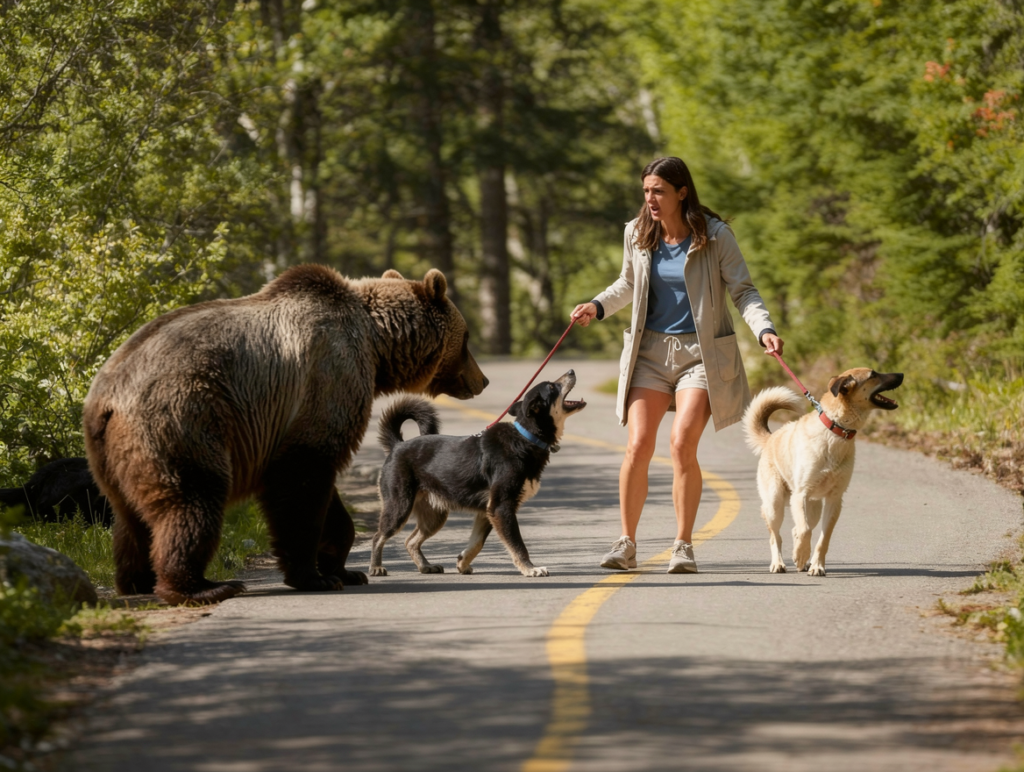
If you encounter a grizzly while walking your dog:
- Stay calm – Sudden movements or screaming can trigger aggression.
- Pick up small dogs – Protect small dogs by holding them close.
- Back away slowly – Do not run; sudden movement can provoke a chase.
- Use bear spray if needed – Only if the bear approaches aggressively.
- Do not climb trees – Grizzlies can climb short distances and can follow.
Every encounter is different, but the key principle is to avoid escalation.
After the Encounter
Once the bear has left, take steps to stay safe:
- Leave the area – Return to a safe trail or populated area.
- Report the encounter – Notify park rangers or local wildlife authorities.
- Educate others – Sharing your experience can help other dog walkers avoid similar situations.
Conclusion
A grizzly bear dog walker encounter is a serious situation but not unavoidable. By understanding bear behavior, recognizing signs of nearby bears, keeping dogs on a leash, and carrying proper deterrents like bear spray, dog walkers can reduce the risk of dangerous interactions. Remember, the goal is coexistence—respecting wildlife while enjoying safe walks with your dogs.
Being prepared, alert, and informed is the best way to ensure that your walk remains a pleasant experience rather than a life-threatening encounter.
Read Me Also

